
Understanding Factors Influencing Home Insurance Costs
A comprehensive guide explaining the major factors that shape your home insurance premiums, including location, replacement cost, coverage limits, and more.
7 min read1,480 wordsZip Cost Ledger editorial
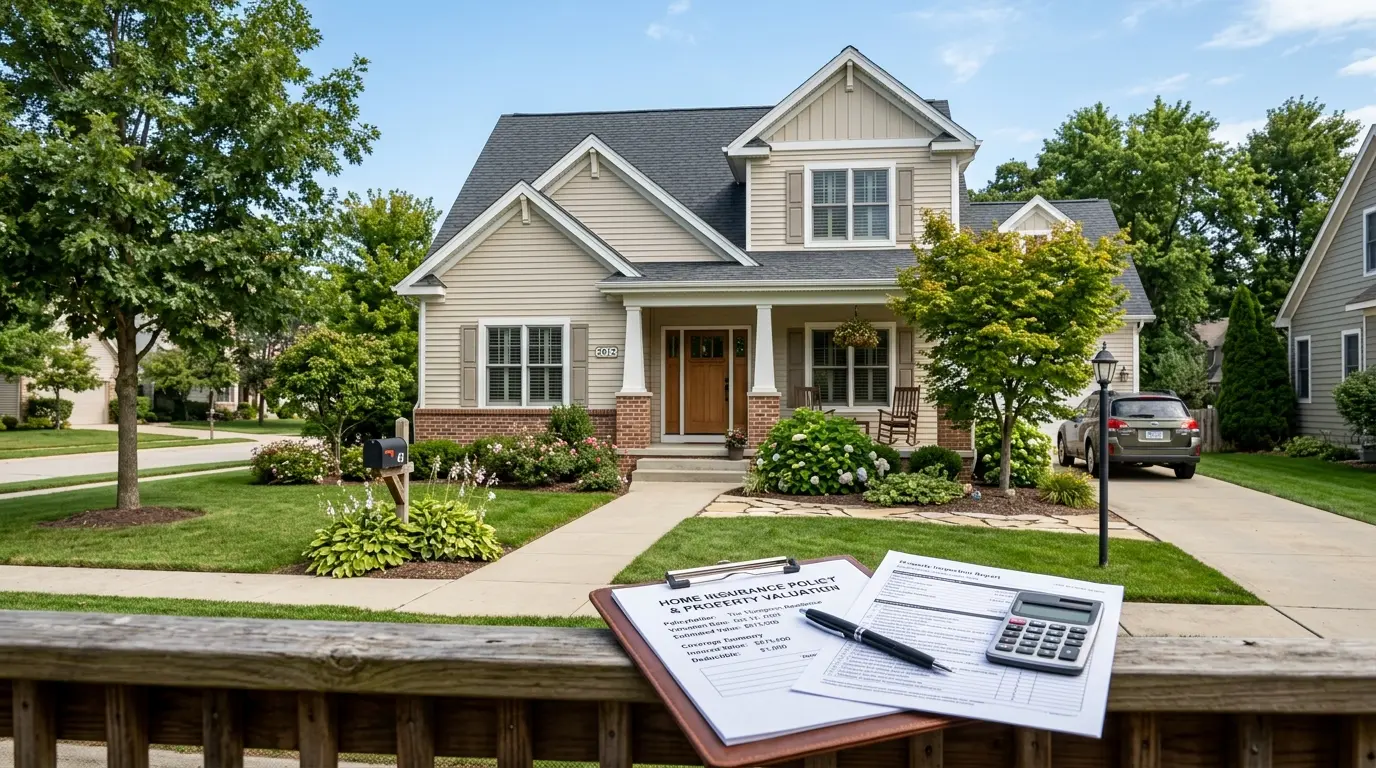
Home insurance costs can feel confusing because there is no single price that applies to every property. Your premium is shaped by where the home is, how it is built, what it would cost to repair, the coverage you choose, and the amount of risk an insurer sees. This guide explains the major factors behind homeowners insurance cost so you can read quotes more confidently and build a realistic home insurance estimate.
What is typical home insurance cost?
The typical cost of homeowners insurance varies widely because every home carries a different risk profile. When people ask, “how much is homeowners insurance?” or “how much does house insurance cost?” they are usually looking for a quick benchmark, but the more useful answer is that the price depends on the home’s replacement cost, location, coverage limits, deductible, and claims history. An average homeowners insurance figure can help you compare, yet it should not replace a personalized quote.
You may see phrases like average price home insurance, average house insurance cost, homeowners insurance average cost, or average price of homeowners insurance when researching online. These terms all point to the same idea: a general cost of home insurance across many households. The challenge is that an average can hide major differences between a small inland home, a coastal property, an older house with aging systems, and a newer home built with updated materials.
The biggest factors that shape your premium
Insurers estimate the chance of a loss and the potential cost of repairing or rebuilding the home. That is why two homes with similar market values can have very different premiums. Insurance cost home calculations are usually based less on what you could sell the house for and more on what it might cost to restore it after a covered event.
Key factors often include:
- Location: Your ZIP code can influence exposure to wind, hail, wildfire, theft, water damage, or other local risks. This is why people often search for average home insurance cost zip code information before requesting quotes.
- Replacement cost: A larger home, custom materials, or high-end finishes can increase the amount of coverage needed.
- Age and condition: Older roofs, outdated wiring, older plumbing, and deferred maintenance may raise perceived risk.
- Coverage limits: Higher dwelling, personal property, liability, and additional living expense limits usually increase the premium.
- Deductible: A higher deductible may lower your monthly premium, but it also means you pay more out of pocket after a covered claim.
- Claims history: Prior claims on the property or by the homeowner can affect pricing.
- Safety features: Smoke detectors, monitored alarms, leak sensors, and updated systems may help reduce risk.
How much is house insurance a month?
If you are asking “how much is house insurance a month?” or “how much a month is homeowners insurance?” the monthly amount is usually the annual premium divided into installments. Some homeowners pay through an escrow account with their mortgage, while others pay the insurer directly. Either way, monthly cost depends on the same core factors: home value to rebuild, location, selected coverage, deductible, and available discounts.
It is also common to ask, “how much would home insurance cost?” or “how much would homeowners insurance cost?” before buying a property. For planning, start with an estimated homeowners insurance amount, then update it once you know the property address, roof age, square footage, construction type, and desired coverage. A rough estimate can help with budgeting, but a quote is the better number for decision-making.
Tools can help you estimate, but they have limits
A property insurance calculator, home insurance calculator, home insurance cost estimator, home insurance cost calculator, or house insurance estimator can be useful early in your research. These tools may ask for details such as ZIP code, home size, construction type, roof age, deductible, and coverage preferences. They can give you an approximate home insurance cost, but they cannot always account for underwriting details an insurer may review later.
Use calculators as a starting point, not a final answer. A home insurance estimate may change once the insurer confirms replacement cost, checks claim history, evaluates local risk, or reviews inspection details. If a tool gives you a number that seems unusually low, make sure the coverage limits and deductibles are realistic.
A practical way to use a calculator:
- Enter the property address or ZIP code when available.
- Use accurate square footage and construction details.
- Compare several deductible options.
- Review dwelling coverage carefully, not just the premium.
- Save the estimate and compare it with real quotes from insurers or agents.
Hazard insurance and homeowners insurance are connected
The average cost of hazard insurance is another phrase homeowners often encounter, especially during the mortgage process. Hazard insurance generally refers to the part of a homeowners policy that protects the structure against covered hazards such as fire, wind, or certain storm damage. In many everyday conversations, people use hazard insurance and homeowners insurance interchangeably, but homeowners insurance usually includes broader protections, such as personal property and liability coverage.
If your lender asks for hazard insurance, they are typically focused on protecting the physical structure that secures the mortgage. You should still review the full policy, not just the lender requirement. A policy that satisfies a lender may not automatically provide the comfort level you want for belongings, liability, temporary housing, or optional endorsements.
Why averages should not be your only guide
Searching for homeowners insurance average cost or how much is homeowners insurance average can be helpful, but averages are best used as context. Averages do not tell you whether the policy includes replacement cost coverage, what deductible was chosen, whether wind or flood coverage is separate, or whether the home has special risks. The average price of homeowners insurance can also vary by data source and methodology.
Instead of relying only on an average home insurance cost, compare policies by what they actually cover. A lower premium may look attractive, but it may come with a higher deductible, lower limits, or exclusions that matter in your area. The goal is not simply to find the lowest house insurance cost; it is to find coverage that fits the property and your financial comfort level.
Ways to build a more accurate estimate
A good estimate begins with good information. Before requesting quotes, gather details that help insurers price the home more accurately. This makes it easier to compare the typical price for home insurance across multiple providers without accidentally comparing very different policies.
Helpful details to collect include:
- Property address and ZIP code
- Year built and major renovation history
- Roof age and roofing material
- Square footage and construction type
- Heating, electrical, and plumbing updates
- Distance to fire services, if known
- Desired deductible range
- Current or preferred coverage limits
- Information about security or safety systems
When comparing quotes, ask whether the policy uses replacement cost or actual cash value for the dwelling and belongings. Also ask about exclusions, optional endorsements, and separate policies that may be needed for risks like flooding. These details can affect the real value of the policy as much as the premium itself.
The smarter way to think about cost
A useful home insurance estimate is not just a number; it is a snapshot of risk, coverage, and personal preference. The average home insurance cost can help you orient yourself, but your own premium should reflect your home’s location, condition, replacement cost, and the protection you choose. If you want a stronger answer than a broad average, use a calculator for early planning, then compare personalized quotes with similar limits and deductibles.
Home insurance is easiest to understand when you look beyond the monthly payment. Ask what is covered, what is excluded, how claims are paid, and how much you would need to pay out of pocket after a loss. That approach helps you move from a rough approximate home insurance cost to a more confident decision about the coverage your home actually needs.
Common questions
Why do two similar houses on the same street pay different premiums?
Because pricing depends on more than the building. Claim history, the deductible chosen, the coverage limits and the condition of the roof and systems all feed into it, and two identical-looking homes can differ on every one of those.
Which factors can I actually change?
The deductible, the coverage limits, the discounts you qualify for and the condition of the things most likely to fail are all within your control. Location and local claim history are not, which is why they are worth weighing before you buy.
Does the hazard exposure of an area affect what I pay?
It can, because insurers price the risk of the perils an area is actually exposed to. The hazard ratings on this site come from the FEMA National Risk Index and describe relative exposure for an area, not a prediction about any one property.
Related guides

Home Insurance Guide: Coverage, Rates and Real Costs
Home insurance helps protect one of your largest financial investments: your home.
· 7 min read