
Understanding PA Sales Tax: Rates & Compliance
Pennsylvania sales tax explained: the state rate, the local additions in Philadelphia and Allegheny County, and how to collect it correctly.
9 min read1,731 wordsZip Cost Ledger editorial
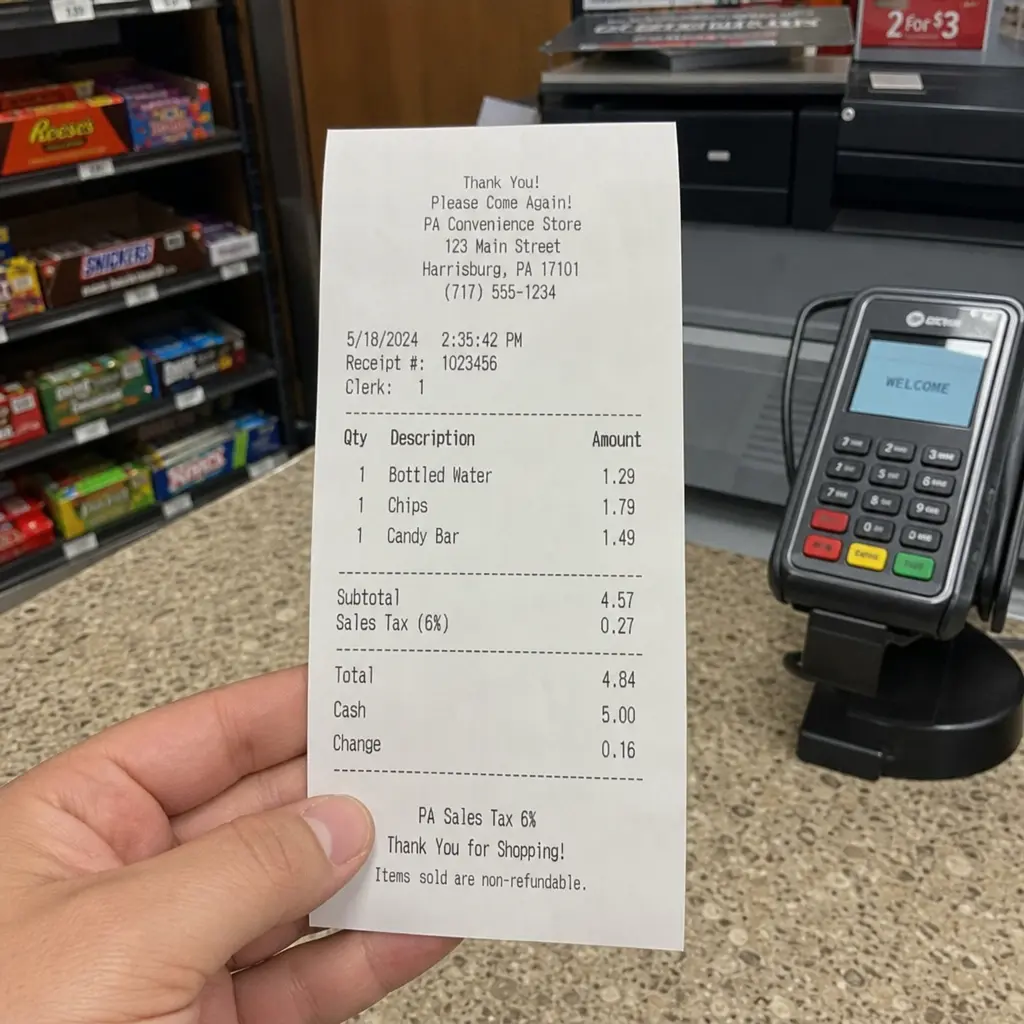
Pennsylvania sales tax can look simple at first glance, but the details matter once you sell across counties, buy taxable goods without tax, or operate in multiple states. The core rule is that Pennsylvania generally taxes retail sales, rentals, use, or consumption of tangible personal property, including digital products, and certain services. For businesses and consumers, understanding when pa sales tax applies helps prevent undercollection, overcharging, and surprise use tax obligations.
What is Pennsylvania sales tax and when does it apply?
Pennsylvania sales tax is a state tax charged on taxable retail sales, certain rentals, taxable digital products, and specific services used or consumed in the Commonwealth. The Pennsylvania Department of Revenue lists the statewide sales, use, and hotel occupancy tax rate at 6%, with local additions in Philadelphia and Allegheny County. In plain terms, if a sale is taxable and sourced to Pennsylvania, the seller may need to collect tax, and if the seller does not, the buyer may still owe use tax. (pa.gov)
The statewide pa sales tax rate is 6%. Philadelphia adds 2% local tax, while Allegheny County adds 1% local tax, which means the total rate can be higher depending on where the taxable sale is delivered or used. The Department of Revenue states that vendors required to collect Pennsylvania’s 6% tax must also collect the applicable local tax on taxable sales made to customers in those jurisdictions. (pa.gov)
The basic Pennsylvania rate structure
For most Pennsylvania locations, the practical starting point is the 6% state rate. That rate applies to taxable sales unless an exemption or special rule changes the result. The state also treats use tax as a companion to sales tax: if taxable property or taxable services are used in Pennsylvania and no sales tax was paid to the seller, use tax may be due at the same rate. (pa.gov)
The local layer is narrow but important. A business selling to customers in Philadelphia or Allegheny County should not assume that “Pennsylvania equals 6%” in every transaction. Philadelphia’s 2% local tax and Allegheny County’s 1% local tax can affect point-of-sale systems, ecommerce settings, invoices, and return filings. (pa.gov)
A simple way to think about it:
- Most Pennsylvania locations: 6% state sales tax.
- Allegheny County: 6% state tax plus 1% local tax.
- Philadelphia: 6% state tax plus 2% local tax.
- Use tax: Generally mirrors the applicable sales tax rate when tax was not collected at purchase. (pa.gov)
Taxable goods, digital products, and selected services
Pennsylvania sales and use tax applies broadly to tangible personal property, but the state also includes digital products in its sales and use tax framework. That can matter for modern businesses selling downloads, electronically delivered products, or mixed bundles of physical and digital items. When a sale includes multiple components, businesses should review the Department of Revenue’s guidance rather than relying on assumptions from another state. (pa.gov)
Services require a closer look because not every service is taxable. Pennsylvania publishes guidance and taxability lists for services that are subject to tax, and its rules can turn on what is being sold, where the service is delivered or used, and whether taxable property is transferred along with the service. If a business provides both nontaxable professional work and taxable goods or taxable services, it may still need to register and collect tax for the taxable part of the transaction. (revenue-pa.custhelp.com)
Restaurants and caterers face their own practical rules. Pennsylvania guidance states that, in general, food and nonalcoholic beverages sold by a caterer or eating establishment are subject to tax whether the customer eats on site or takes the order to go. That makes menu setup, bundled charges, delivery platforms, and catering invoices especially important for food businesses. (pa.gov)
Why use tax matters more than many buyers realize
Use tax is often overlooked because it does not always appear at checkout. If a Pennsylvania consumer or business buys taxable property or services from a seller that does not collect Pennsylvania tax, the buyer may still owe use tax. This commonly comes up with out-of-state purchases, online transactions, marketplace exceptions, business equipment, supplies, and taxable services. (pa.gov)
For businesses, use tax is not just a consumer issue. A company might owe use tax on equipment, software-like taxable digital products, supplies, or taxable services purchased without the correct tax. A good internal process is to review vendor invoices regularly, flag untaxed purchases, and confirm whether the item or service is taxable in Pennsylvania.
A practical monthly checklist can help:
- Review invoices from out-of-state vendors.
- Identify purchases where no Pennsylvania tax was charged.
- Check whether the item, digital product, or service is taxable.
- Apply the correct Pennsylvania or local rate based on use or delivery location.
- Keep records showing why tax was paid, self-assessed, or treated as exempt.
Registration, exemption certificates, and recordkeeping
Sellers that make taxable sales in Pennsylvania generally need the proper sales tax registration before collecting tax. Pennsylvania also has rules for transient vendors and provides online registration through myPATH. If you are unsure whether your activity creates a collection obligation, it is safer to check the state’s registration guidance before making sales. (pa.gov)
Exemption certificates are another area where process matters. Pennsylvania’s exemption certificate, REV-1220, can be used for qualifying tax-exempt purchases, but sellers should keep completed certificates in their records rather than simply accepting a verbal statement from a customer. The Department of Revenue notes that once issued to a supplier, the Pennsylvania Exemption Certificate may be used for future tax-exempt purchases. (pa.gov)
Strong records help in three ways. They support the tax collected from customers, explain why certain sales were treated as exempt, and show how use tax was reviewed. For many small businesses, the biggest risk is not a complex tax theory; it is inconsistent documentation across invoices, ecommerce settings, and accounting records.
How Pennsylvania compares with nearby and commonly searched state taxes
Pennsylvania is not the only state business owners compare when evaluating compliance. The Michigan sales tax rate is 6% on taxable retail sales, according to the Michigan Department of Treasury. That may look similar to Pennsylvania’s statewide rate, but Pennsylvania’s local Philadelphia and Allegheny rules can make the final rate different for certain customers. (michigan.gov)
Indiana is different. The Indiana sales tax rate is 7%, and Indiana’s Department of Revenue describes sales tax as applying to retail transactions involving tangible personal property, accommodations, public utility service, and other taxable services. Indiana state income tax is a separate issue: the Department of Revenue lists the individual adjusted gross income tax rate for 2026 at 2.95%, with a scheduled adjustment to 2.90% in 2027. So, when people search for Indiana income tax, they are looking at a different tax category than sales tax compliance. (in.gov)
New Jersey also uses a different structure. The nj sales tax rate is generally 6.625%, and the New Jersey Division of Taxation says the state has a single statewide sales tax rate, though certain exceptions may apply in Urban Enterprise Zones, Salem County, Atlantic City, and Cape May County. Pennsylvania sellers near the border should be careful not to apply New Jersey assumptions to Pennsylvania transactions. (nj.gov)
Oklahoma is another useful reminder that “tax rate” searches can mix different tax types. Oklahoma income tax is progressive, and the Oklahoma Tax Commission’s 2025 individual income tax brackets range up to 4.75% for higher taxable income brackets shown in its published schedule. That does not tell a Pennsylvania seller what to charge for Pennsylvania sales tax, but it shows why businesses operating in multiple states need separate rules for sales tax, income tax, payroll, and filing obligations. (oklahoma.gov)
What should Pennsylvania businesses do to stay compliant?
Pennsylvania businesses should build a repeatable sales tax process instead of making one-off decisions at checkout. That process should identify what is being sold, where the customer receives or uses it, whether an exemption applies, and whether the correct state and local rate is collected. For businesses selling online, the same review should be built into ecommerce tax settings, marketplace rules, and accounting reconciliation.
Start with these practical steps:
- Map your products and services. Label each item as taxable, exempt, or requiring review under Pennsylvania guidance.
- Check customer location rules. Pay special attention to Philadelphia and Allegheny County.
- Review exemptions carefully. Collect and store valid exemption certificates before treating a sale as exempt.
- Reconcile tax collected. Compare point-of-sale, marketplace, and accounting reports before filing.
- Monitor use tax. Review untaxed purchases from vendors and self-assess when required.
- Update systems when rules change. Tax rates, registration rules, and filing processes can change, so review official guidance regularly.
Common mistakes that create avoidable tax problems
One common mistake is assuming that all Pennsylvania sales are taxed at one rate. The 6% statewide rate is the baseline, but Philadelphia and Allegheny County local taxes can change the amount due. Another mistake is assuming that an online seller’s failure to collect tax means no tax is owed; in many cases, use tax shifts the responsibility to the purchaser. (pa.gov)
Businesses also get into trouble when they treat all services as nontaxable or all services as taxable. Pennsylvania’s rules are more specific than that, so the type of service and the details of the transaction matter. When a business sells both services and taxable property, invoices should clearly describe what is being charged so the tax treatment is easier to support.
Finally, exemption certificate gaps can become expensive. If a seller cannot show why tax was not collected, an exempt sale may be questioned later. A clean certificate process is one of the simplest compliance habits a business can create.
The takeaway
Pennsylvania sales tax starts with a 6% statewide rate, but the real compliance work is in the details: local tax in Philadelphia and Allegheny County, taxable digital products, selected taxable services, exemptions, and use tax. Businesses that sell across state lines should also avoid blending Pennsylvania rules with the Michigan sales tax rate, Indiana sales tax rate, nj sales tax rate, or income-tax concepts such as Indiana state income tax and Oklahoma income tax.
For most businesses, the best approach is practical and consistent. Classify what you sell, collect the correct rate, document exemptions, review untaxed purchases, and rely on current Department of Revenue guidance when facts are unclear. That discipline makes sales tax less of a scramble and more of a manageable part of doing business.
Related guides
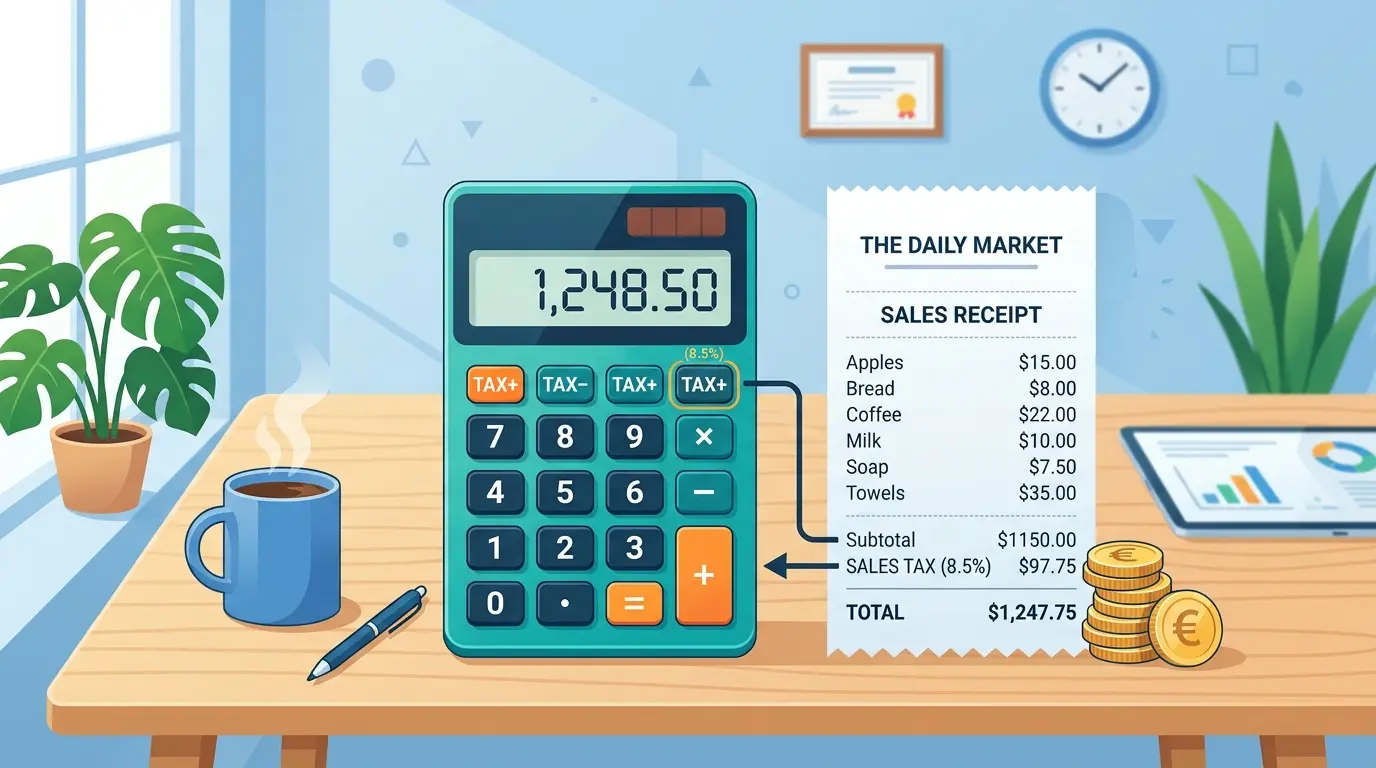
Understanding Sales Tax Calculators: A Guide
A sales tax calculator helps shoppers, business owners, and bookkeepers estimate the tax added to a purchase before checkout or invoicing.
· 7 min read
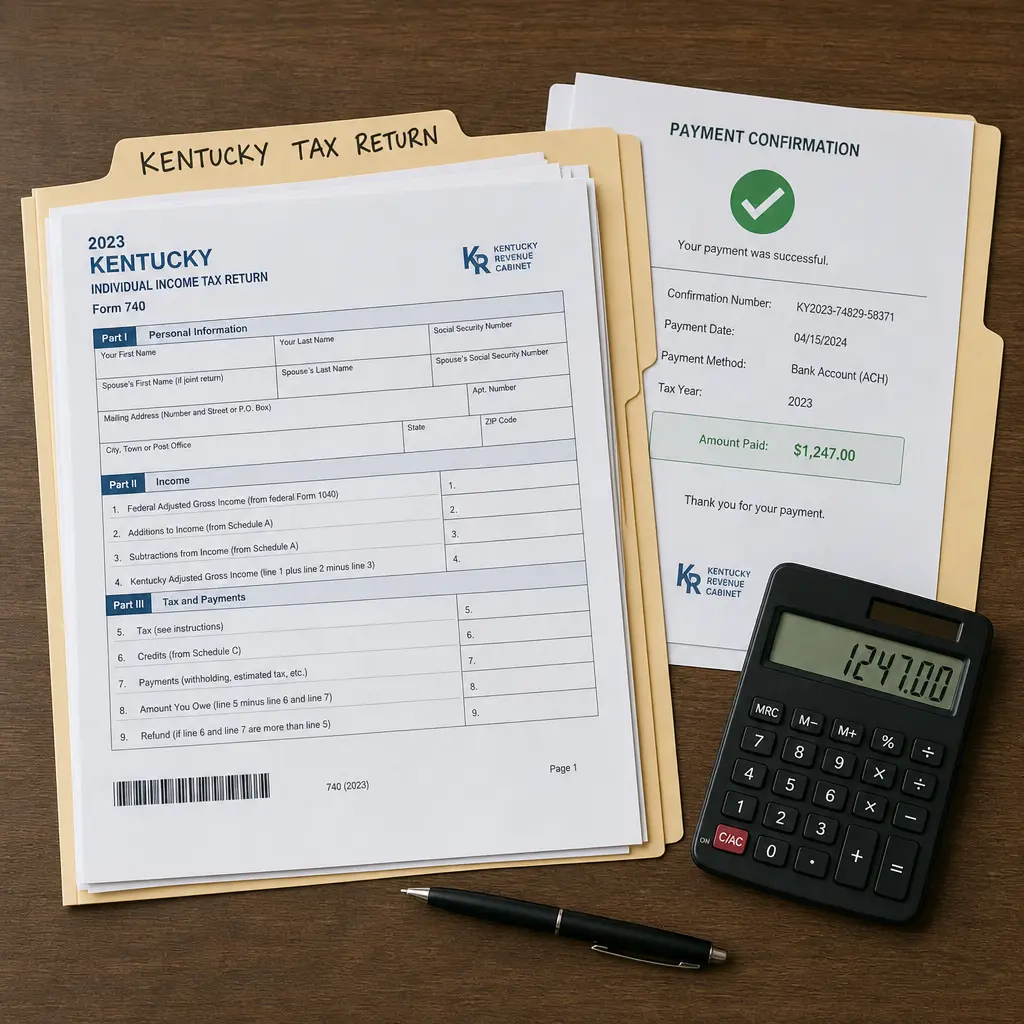
Master Kentucky Estimated Tax Payments: Avoid Penalties
Kentucky estimated tax payments help taxpayers pay Kentucky income tax during the year when enough tax is not being withheld from wages, retirement income, or other payments.
· 8 min read
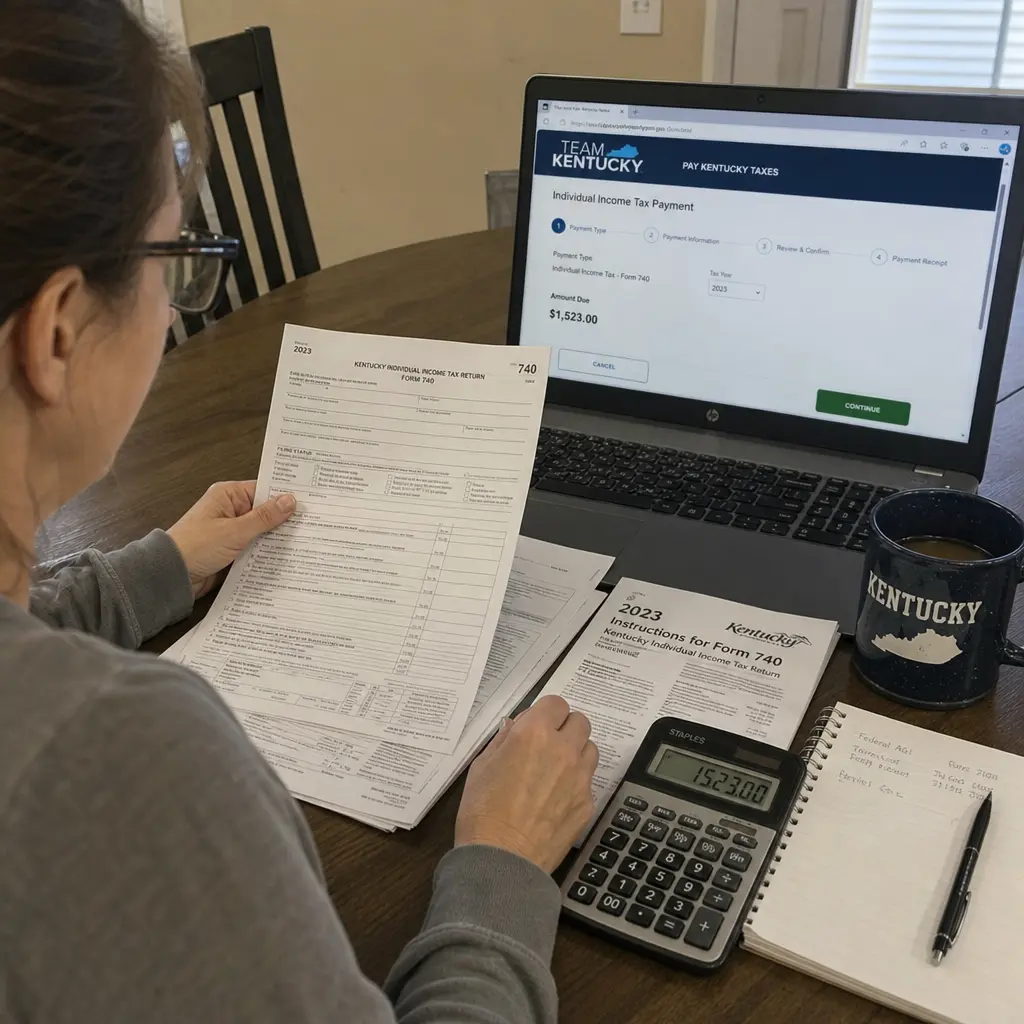
Kentucky State Tax Payment Guide: Avoid Delays & Errors
Paying Kentucky taxes is usually a matter of knowing which tax year you are handling, whether you are paying with a return, making an estimated payment, or responding to a bill, and choosing the right Kentucky Department of Revenue payment option.
· 9 min read